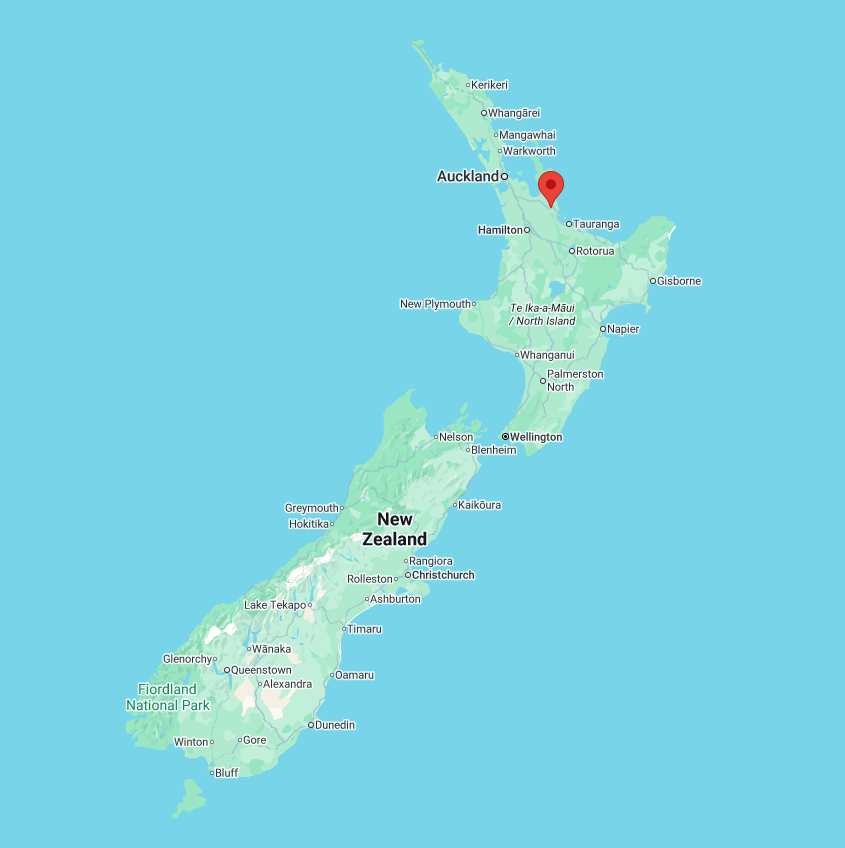
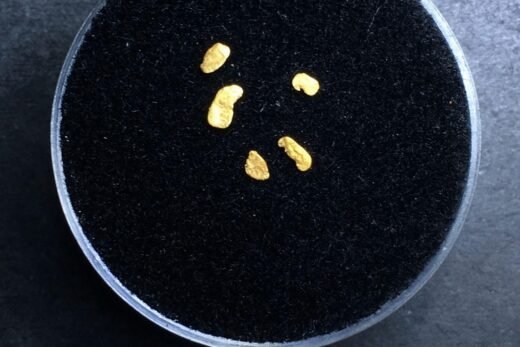
Tucked away in a quiet valley in the Coromandel Peninsula, the area around Waitekauri is now a peaceful landscape of regenerating bush, but its ghostly remnants of mining machinery tell a story of immense gold rush fever. In the late 19th century, this was a booming town and one of the most important centers of the Hauraki Goldfield. Mines like the famous Golden Cross and Waitekauri drove tunnels deep into the volcanic hills, chasing the rich veins of gold and silver that made this region legendary. While the miners sought the precious metals, the geological processes that formed them also created a beautiful suite of crystalline minerals, now prized by collectors as mementos of this historic era.
The geology of Waitekauri is classic epithermal gold-silver mineralization, where hot, silica-rich fluids forced their way through fractures in the ancient andesitic volcanic rock. The primary mineral deposited in these veins was quartz, which is the true star of the area. It formed in a spectacular variety of habits, from massive, banded veins carrying the gold to beautiful open vugs lined with pristine, water-clear or milky crystals. Collectors particularly seek out the delicate “epithermal” quartz textures, including lattice-like or bladed pseudomorphs where the quartz has replaced earlier crystals of calcite, preserving their delicate shape.
Found alongside the quartz in these veins are its common companions, calcite and various zeolites. The calcite often formed first in sharp rhombohedral or scalenohedral (“dog-tooth”) crystals before being encased or replaced by quartz.